


 GenAp group chat
 Gennku
 United Ukraine
 Get your capital one card today
 WebHosting best
 Adsline Classifier
 Autodeal
 Friendys chat rooms
 Android App
 Apple App
Transforming Progressive Lenses Photochromic Through Thinkeyoptical Design and Precision
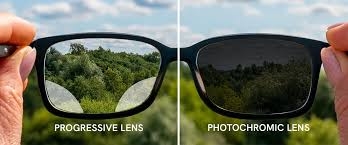
For people who move constantly between reading, driving, screen work, and outdoor activity, Progressive Lenses Photochromic can bring together near, intermediate, and distance vision in one practical solution, and Progressive Lenses Photochromic also helps simplify daily routines by reducing the need to switch between multiple pairs of glasses. That combination of adaptive light response and seamless visual transition has made this type of eyewear especially relevant in modern life, where comfort and flexibility matter just as much as clear sight.
A More Flexible Approach to Vision
Daily routines rarely stay in one lighting condition for long. A person may begin the morning under indoor lights, spend the afternoon in bright daylight, and finish the evening looking at a phone or book. Traditional eyewear often handles one of these situations well, but not all of them at once. That is why more users are looking for lenses that can adapt naturally to changing environments.
A flexible lens solution helps the eyes feel less overloaded during these shifts. Instead of forcing the wearer to manage multiple pairs of glasses, it creates a smoother visual experience that feels more consistent from one task to the next. This matters for office workers, travelers, students, and drivers, all of whom need vision that follows the pace of the day.
Why Progressive Design Supports Daily Life
Progressive design is valuable because it gives the wearer multiple viewing zones without visible lines. That means the user can read a message, glance at a laptop, and look up toward the road or a meeting room without changing glasses. The transitions are important because they make the eyewear feel more natural and less mechanical.
Many people appreciate this type of lens because it reduces interruptions. There is no need to pause and search for another pair just to move from near work to distance viewing. The result is a more streamlined routine and, often, less frustration. When the design works well, the user can focus on tasks instead of on the glasses themselves.
Material Quality and Visual Comfort
The experience of wearing adaptive eyewear depends heavily on the materials involved. A well-made lens should be lightweight enough for all-day wear, durable enough for repeated use, and clear enough to preserve natural vision. Surface treatments also matter because they influence how light reflects, how easy the lens is to clean, and how long it stays effective.
A strong coating system can improve comfort in bright indoor spaces, near reflective windows, or on sunny streets. This is especially useful for people who spend long hours in visually demanding settings. When the lens reduces distraction and keeps the view clean, the wearer feels less fatigue and more confidence throughout the day.
thinkeyoptical and Practical Lens Development
thinkeyoptical places emphasis on practical lens development that fits real-world use. In modern eyewear, users expect more than basic correction. They want comfort, responsiveness, and a polished appearance that works in professional and casual settings. A carefully designed lens can support all of those expectations at once.
Attention to precision helps a great deal. The way the viewing zones are arranged, how smoothly the lens responds to light, and how consistent the surface finish remains all affect the final experience. For many wearers, these details are what separate average eyewear from a pair they actually enjoy using every day. Good design reduces the sense of effort and helps the glasses become a natural part of the routine.
Style, Fit, and Everyday Confidence
Eyewear is now a visible part of personal style. People want frames that look refined, feel balanced, and suit the way they live. A pair of glasses can influence how someone feels in a meeting, while traveling, or simply walking through the city. Style matters because it affects how often the glasses are worn.
Fit also shapes the user experience. Glasses that sit securely and comfortably are easier to forget during the day, which is exactly what many wearers want. If a frame feels too heavy or shifts too often, it becomes a distraction. When the fit is right, the glasses support confidence as well as vision.
Designed for Changing Routines
Modern life asks a lot from eyewear. One person may start the day reading in a kitchen, work under strong office lighting, and end the night outdoors or on a screen. Another may commute through bright weather and then spend hours in front of a monitor. Each of these situations demands something slightly different from the eyes.
A lens that responds to those changes gives the wearer more freedom. It supports consistency without making the user think about switching tools all day. That convenience has made adaptive multifocal solutions more attractive to people who want something dependable and easy to live with. The more smoothly eyewear fits into a routine, the more useful it becomes.
Looking Ahead to Smarter Optical Solutions
The future of eyewear will likely focus on greater precision, better materials, and more personalized performance. As manufacturing improves, lens solutions can become thinner, clearer, and more responsive to changing light. That means future products may offer an even better balance of convenience, durability, and comfort.
Sustainability will also remain important. Many buyers now prefer products that are made responsibly and built to last. That expectation is pushing the optical industry toward smarter design and longer product life. For those who want to learn more about modern optical solutions and explore current options, https://www.thinkeyoptical.com offers a natural place to begin.
 Deutsch
 English
 French
 Spanish
 Portuguese
 Turkish
 Dutch
Dutch
 Italiano
 Russian
 Romaian
 Portuguese (Brazil)
 Greek
Greek
 Ukrainian