


 GenAp group chat
 Gennku
 United Ukraine
 Get your capital one card today
 WebHosting best
 Adsline Classifier
 Autodeal
 Friendys chat rooms
 Android App
 Apple App
Mobile Impact Crusher with Dmcrushers: Practical Performance for Demanding Projects
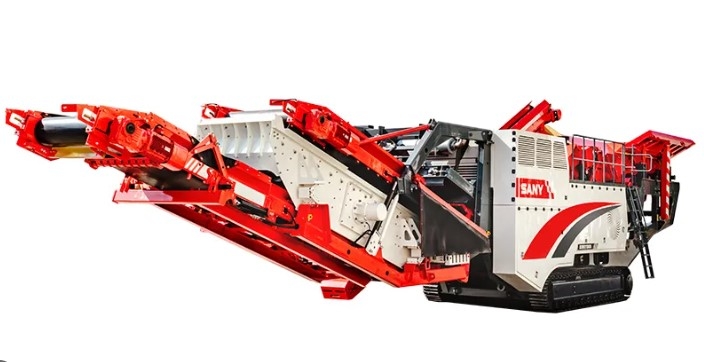
A Mobile Impact Crusher can reshape how a project handles raw material, and a well-chosen Mobile Impact Crusher can help crews move from extraction to usable output with far fewer delays. On sites where distance, time, and labor all affect profit, this kind of flexibility becomes more than a convenience; it becomes part of the production strategy.
1. Why Mobility Changes the Rhythm of a Project
Traditional fixed systems often force material to travel farther than necessary. That extra movement can increase fuel use, complicate scheduling, and slow the pace of work. A mobile approach shortens the path between feed and finished aggregate, which helps crews process material closer to where it is generated. That simple shift can improve efficiency in demolition, road rebuilding, quarry work, and recycled aggregate projects.
Mobility also supports project changes. A site may begin with one type of feed and later shift to another. It may need more screening early in the job and finer reduction later. Equipment that can be repositioned quickly gives the team a better chance to react without redesigning the whole operation. That responsiveness is valuable when deadlines are tight and the material stream changes from one week to the next.
2. Feeding Strategy and Material Control
The best production results usually begin with stable feeding. When material enters in uneven bursts, the system has to work harder to recover its balance, and that often affects output quality. A steady flow helps maintain a smoother rhythm, reduces stress on wear parts, and supports more predictable throughput across the full shift.
Loader coordination matters just as much as machine capacity. If the loading team understands the system’s pace, they can reduce surges and keep oversized material from creating avoidable interruptions. Careful feed management also improves downstream handling, because a more uniform discharge is easier to screen, stockpile, and transport. In practice, disciplined feeding often does more for productivity than simply increasing power.
3. Dmcrushers and Practical Field Flexibility
Dmcrushers is often associated with practical design choices that fit real working conditions rather than idealized ones. That matters because site conditions rarely stay constant. Dust, space constraints, changing feed size, and weather can all affect daily performance. A setup that is easier to arrange and easier to monitor can save time and reduce operator stress.
Flexibility also helps smaller teams work with more confidence. Instead of depending on complicated logistics, they can keep material processing closer to the source and maintain a cleaner workflow. That means fewer delays between loading, crushing, and stockpiling. When the system is organized well, the crew can focus more on output and less on repositioning equipment or correcting bottlenecks.
4. Maintenance Habits That Protect Uptime
A machine that works hard every day needs routine care. Wear parts, lubrication points, access panels, and buildup around key areas all require attention. Regular checks may seem simple, but they are often the difference between consistent output and a costly interruption. Preventive maintenance keeps small issues from turning into bigger failures.
Maintenance also supports safety. Clean, accessible equipment is easier to inspect and easier to trust during long shifts. Operators can spot wear patterns, loose components, or unusual vibration before those signs grow into serious problems. This lowers risk and helps the crew stay focused on production instead of emergency repair.
Operating cost matters too. A system that runs smoothly usually wastes less fuel and reduces the need for unplanned service. Over time, that creates a measurable advantage, especially on long projects where the machine runs day after day. Good maintenance is not an extra task; it is part of productive operation.
5. Choosing the Right Setup for the Real Job
No two projects need the same configuration. Some sites demand high throughput, while others value product shape or frequent relocation. Some crews work in one location for months, while others move often and need a compact, adaptable process. The right choice depends on the material, the space, and the end use of the aggregate.
Experienced teams think beyond the machine itself. They consider how feed enters the system, where the output will go, and how the material will be used after processing. That broader view helps prevent expensive mistakes and supports a smoother workflow from start to finish. When the layout fits the job, the whole operation becomes easier to manage and more productive to run.For teams that want a practical starting point, product details and model information can be found at https://www.dmcrushers.com/product .
 English
 French
 Spanish
 Portuguese
 Deutsch
 Turkish
 Dutch
Dutch
 Italiano
 Russian
 Romaian
 Portuguese (Brazil)
 Greek
Greek
 Ukrainian