

 GenAp group chat
 United Ukraine
 Get your capital one card today
 WebHosting best
 Adsline Classifier
 Autodeal
 Android App
 Apple App
Where to Share Local News Online in Your Town
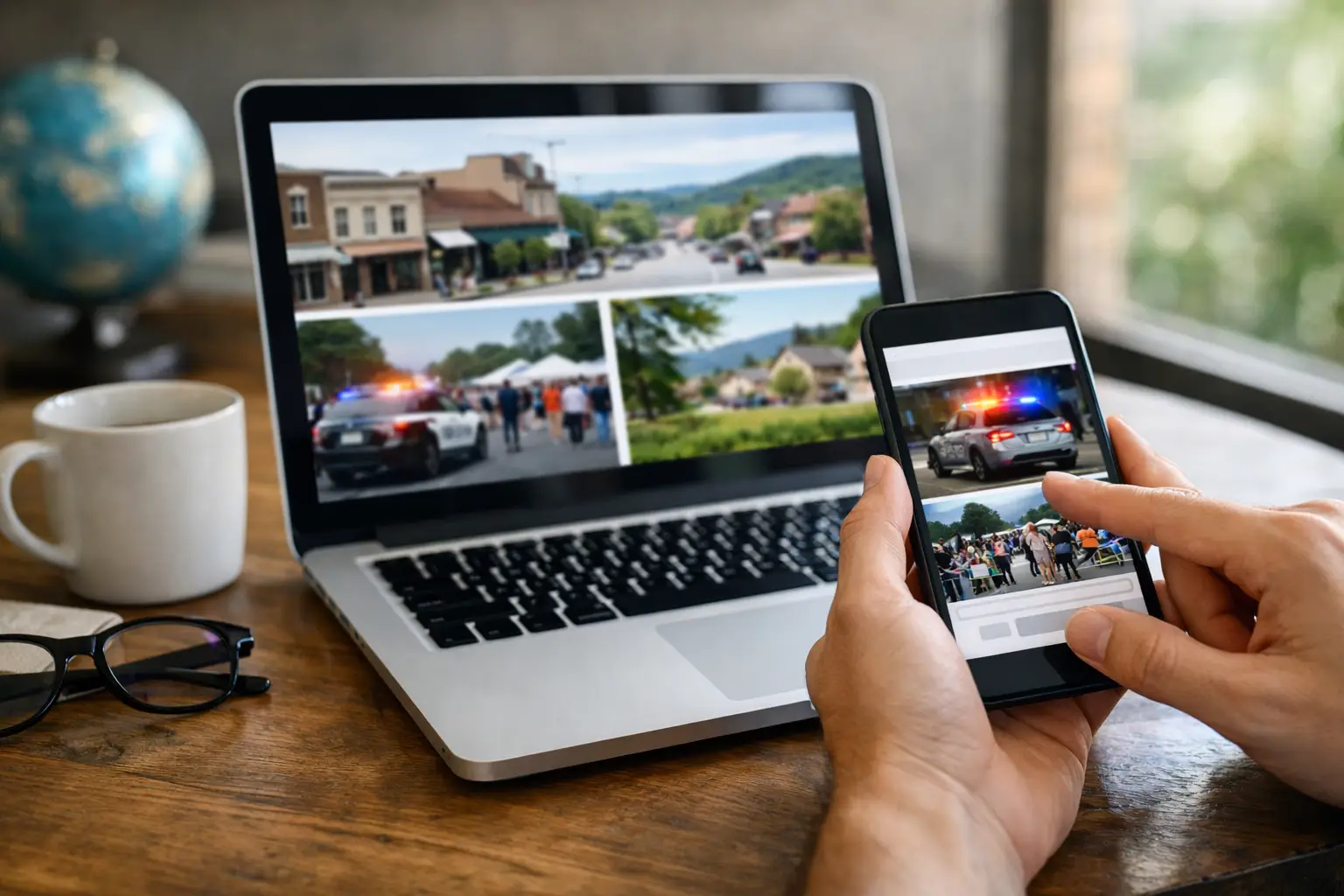
A road closure before the morning commute, a missing pet, a school fundraiser, a new small-business opening - these are the kinds of updates people want before they hear about them days later. If you are wondering where to share local news online, start with the spaces your neighbors already use to talk, plan, buy, sell, and help one another.
The best place is not always the one with the biggest audience. A town-wide announcement may belong on a public community page, while a lost wallet is better suited to a neighborhood group. Matching the update to the right space helps useful information travel faster without getting lost in a crowded feed.
Where to Share Local News Online for Real Community Reach
Neighborhood groups
Neighborhood groups are often the first stop for practical, close-to-home news. Residents use them to ask about road work, recommend services, report found pets, and share safety notices. Because members tend to live nearby, a clear post can reach the people most likely to be affected.
Keep the location specific. Instead of writing, “Traffic is terrible,” say which road is blocked, the nearest cross street, when you noticed it, and whether there is an alternate route. If the information comes from someone else, say so. This gives neighbors enough context to act without turning a quick update into rumor.
Local groups work especially well for news that has a short lifespan. A power outage, a pop-up food drive, a parade detour, or a weather-related closure needs attention now. When the situation changes, add an update to the original post so people do not have to hunt through comments for the latest details.
Community forums
Forums are useful when the story needs more than a quick post. They give residents a place to discuss a proposed development, compare information about a public meeting, or collect questions for local leaders. Unlike a fast-moving social feed, a forum thread can remain easy to find and continue over time.
Use a direct headline that tells people what the post is about. Include the town or neighborhood name, the topic, and the date if it matters. A post titled “Public meeting on Elm Street zoning, Thursday at 6 p.m.” is far more helpful than “Everybody needs to see this.”
Forums can also get heated, especially around local politics, schools, and development. Stick to what you can verify, separate facts from your opinion, and leave room for neighbors who see an issue differently. Good local discussion does not require everyone to agree. It does require people to treat one another like they may meet at the grocery store tomorrow.
Local social communities
A community-focused social platform can bring local posts together with the conversations that follow them. On Friendys, members can share local news, join groups, discuss topics in forums, chat with neighbors, and find events and marketplace listings in one place. That can be especially convenient for people who do not want to jump among separate apps just to stay connected to their area.
Look for local groups organized around your city, county, school district, hobby, or cultural community. These spaces are a natural fit for announcements that invite participation, such as volunteer days, neighborhood cleanups, community classes, and local performances. They also give people a way to ask follow-up questions and share their own experience.
If you manage a group, set simple expectations early. Ask members to name their location, avoid personal attacks, and correct outdated information. A welcoming group is more likely to become a trusted place for useful local news rather than a stream of arguments.
City, school, and organization pages
Official pages and community organization pages are the right place for information that needs a clear source. Municipal departments, schools, libraries, parks, nonprofits, and neighborhood associations can post service changes, meeting notices, registration dates, and public resources directly to their audiences.
If you are sharing information from an official source in a community space, quote the key details accurately and identify where the update came from. Do not assume a screenshot tells the whole story. Dates, eligibility rules, and locations can change quickly. When you are not certain, write that the details should be confirmed before someone makes plans.
For organizers, consistency matters more than posting constantly. A reliable page that shares timely, plain-language updates earns attention over time. People remember which community accounts helped them find a cooling center, a school schedule change, or a last-minute event cancellation.
Local event calendars and pages
Some news is really an invitation. Farmers markets, youth sports sign-ups, job fairs, live music, blood drives, and town halls deserve a place where people can save the date and return for details. Local event spaces work well because they organize information around time and place instead of burying it in a general conversation.
Make every event post answer the basic questions: what is happening, where it is happening, when it starts, who it is for, and whether there is a cost or registration requirement. Add accessibility details when you have them, such as parking, wheelchair access, language support, or whether children are welcome.
A good event post also explains why it matters. “Community cleanup” is clear, but “Community cleanup supplies provided, followed by a free lunch at the park” gives people a reason to join. After the event, share a photo or a thank-you note if appropriate. That small follow-up helps future posts feel connected to real local activity.
Local news outlets and tip channels
For information with broad public impact, local journalists may be the better audience. Tips about a major closure, public safety issue, government decision, or community trend can help reporters investigate and inform more people. Send the facts you have, including dates, locations, documents, and names of people willing to speak on the record.
This route is not for every update. A single garage sale or a minor neighborhood disagreement does not need newsroom attention. But a recurring problem, a public service gap, or a story affecting many residents may deserve professional reporting. Journalists will usually need time to verify details, so do not depend on a news story alone for urgent alerts.
Marketplace and community boards
Community marketplaces and classified-style boards can help share news tied to local exchange. A benefit sale, a school supply drive, free furniture after a storm, or a request for donated materials may find the right people there. The key is to be honest about what is being offered, requested, or collected.
Avoid using a marketplace post to disguise advertising as community news. If you are promoting a business event, say so. If you are collecting donations, explain who will receive them and how. Clear labeling builds trust and helps neighbors decide what they want to support.
Make Your Local Update Easy to Trust
Before posting, pause long enough to check the essentials. Confirm the location, date, time, and source. If the issue is urgent, say what people should do next, such as avoid an intersection, contact a relevant office, or check on an elderly neighbor. If it is not confirmed, do not present it as settled fact.
Photos can help, but they need care. Do not post images that identify children, accident victims, private addresses, or people in distress without a good reason and appropriate permission. A useful photo of a flooded roadway is different from sharing someone else's difficult moment for attention.
Tone matters, too. Local news is most helpful when it gives people something useful to do. Lead with the information, not outrage. You can still raise a concern, but a calm, specific post is more likely to get answers and less likely to spread confusion.
Choose the Space Based on the News
Think about distance, urgency, and purpose. A neighborhood alert belongs close to home. An event needs an event-focused space. A long-running civic question may need a forum where residents can return to the conversation. A story affecting the entire region may be worth sharing with local media and official community channels.
You do not have to post every update everywhere. Repeating the same message across too many spaces can make it feel like spam, especially if it is promotional. Start with the place where the people most affected are likely to see it. Then expand only when the update has a wider public benefit.
The goal is simple: help a neighbor arrive safely, find a resource, show up for a local event, or feel less alone in the place they call home. Share with care, invite useful conversation, and your next post can become one small reason your community feels more connected.
 Portuguese
 English
 French
 Spanish
 Deutsch
 Turkish
 Dutch
Dutch
 Italiano
 Russian
 Romaian
 Portuguese (Brazil)
 Greek
Greek
 Ukrainian