


 GenAp group chat
 United Ukraine
 Get your capital one card today
 WebHosting best
 Adsline Classifier
 Autodeal
 Android App
 Apple App
How to Sell Used Items and Find Local Buyers
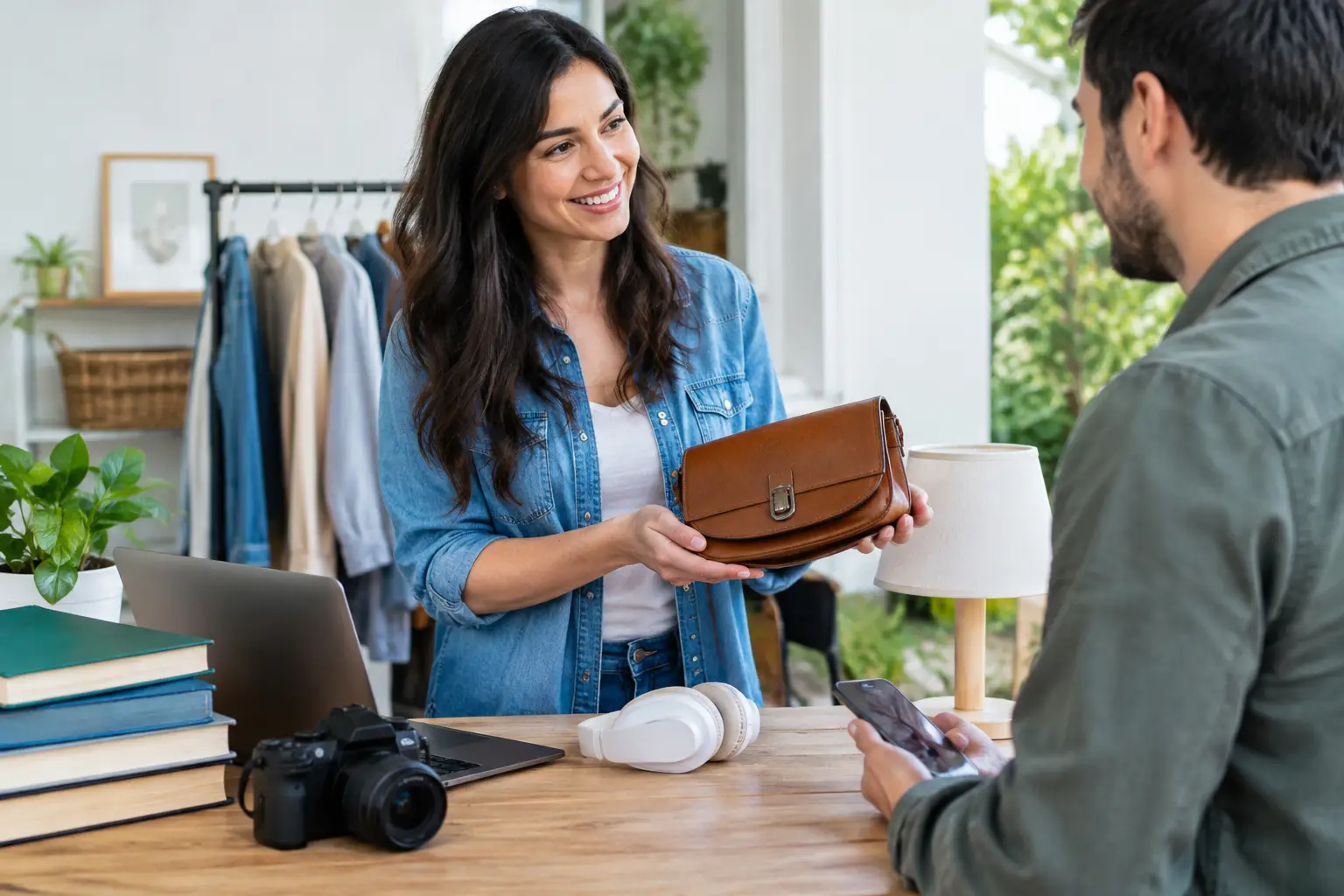
That unused coffee table in the garage, the kids’ outgrown bikes, and the blender collecting dust can be more than clutter. Learning how to sell used items gives useful things a second life, helps neighbors find a deal, and puts a little extra money back in your pocket.
The best sales do not happen because an item is expensive or brand-new. They happen because the seller is clear, responsive, fair, and easy to work with. Whether you are clearing one closet or making room after a move, a few practical choices can help the right buyer find your listing.
Start With Items People Actually Need
Begin with a quick walk through your home, storage space, or garage. Look for items that are clean, functional, and no longer serving you. Furniture, tools, electronics, home decor, sports gear, baby items, books, games, and name-brand clothing can all attract interest when they are priced realistically.
Condition matters more than perfection. A scratched side table may still be a great fit for a first apartment. A used lawn mower might sell quickly if it starts reliably and you can say when it was last used. Be honest about what works, what is missing, and what shows wear. Hiding flaws wastes everyone’s time and can turn a friendly exchange into a frustrating one.
Before listing, clean the item and gather any pieces that belong with it. Find the charger for an old tablet, the shelves for a bookcase, or the instructions for a small appliance if you still have them. A complete, ready-to-use item is easier to sell than one that feels like a project.
How to Sell Used Items With Photos That Answer Questions
Photos do much of the selling before you ever receive a message. Take pictures in natural daylight when possible, with the item against a simple background. Clear away laundry, boxes, or personal information that may distract from the listing or reveal more about your home than you want to share.
Show the full item first, then add close-ups of useful details: labels, dimensions, controls, fabric texture, or included accessories. If there is a scratch, stain, chip, or worn spot, photograph it clearly. Buyers appreciate straightforward listings, and visible flaws prevent surprises at pickup.
For electronics, include a photo of the device powered on if it is safe and practical to do so. For furniture, show multiple angles and a close-up of the surface condition. For clothing, photos of the tag, size, and any signs of wear are more helpful than a heavily filtered image.
You do not need professional equipment. A clean item, good light, and several honest photos will usually do more than an overly edited picture ever could.
Write a Listing People Can Trust
A strong listing is simple, specific, and written like you are helping a neighbor decide whether the item is right for them. Start with a clear title that names the item, brand when relevant, and a key detail. “Solid wood desk, 48 inches wide” is much more useful than “Great desk.”
In the description, cover the basics: condition, size, color, what is included, how it works, and why you are selling it if that context is helpful. Mention whether the price is firm, whether you are open to reasonable offers, and whether the buyer needs to bring help for a large item.
Avoid vague phrases such as “like new” if an item has visible wear. Instead, say, “Works well, with light scratches on the top,” or “Used for one season and stored indoors.” Details create confidence.
A marketplace connected to local communities can be especially helpful here. On Friendys, a listing is part of a larger place where people can connect, chat, join groups, and discover what is happening nearby. That shared community context can make buying and selling feel more personal than posting into an empty feed.
Set a Price That Encourages a Reply
Pricing used items is part research and part judgment. Check what similar items are listed for in your area, but pay attention to their condition and whether those listings appear active. An item that has been sitting online for months is not always a useful benchmark.
A simple rule is to price based on what a buyer can reasonably get today, not what you originally paid. Brand name, age, condition, demand, and pickup convenience all affect value. A nearly new tool from a trusted brand may hold its price well. An older television, bulky entertainment center, or generic decor item may need a lower price because buyers have many options.
If you want a fast sale, price a little below comparable local listings. If your item is in excellent condition or includes valuable extras, start closer to your preferred number and leave a little room for polite negotiation. It depends on your goal: clearing space quickly and earning the highest possible amount are not always the same thing.
For low-cost items, consider bundling. A box of children’s books, several planters, or a group of kitchen supplies can feel like a better deal together and save you from coordinating multiple pickups.
Respond Promptly, Kindly, and Clearly
Interested buyers often message several sellers at once. A quick reply can be the difference between a completed sale and a missed opportunity. You do not need to be available every minute, but setting expectations helps. If you can answer messages in the evening, say so.
Keep conversations focused on the item, price, and pickup details. Answer reasonable questions honestly, and confirm the buyer understands the condition before arranging a meetup. If someone asks for a discount, decide what works for you without feeling pressured. “I can do $25 if you can pick it up today” is clear and friendly. So is “Thanks for asking, but the price is firm.”
Be cautious if a message feels unusually complicated. Requests to move the conversation off-platform immediately, send verification codes, accept overpayments, or refund money to a stranger are common warning signs. Legitimate buyers generally ask normal questions and make straightforward plans.
Plan a Safe, Easy Exchange
For smaller items, meet in a public, well-lit location when possible. Many communities have designated exchange areas near public buildings. For large furniture or appliances that require home pickup, have another adult nearby, keep the exchange near an exterior entrance if you can, and avoid sharing more personal information than necessary.
Agree on the price, payment method, time, and location before the buyer arrives. If you accept cash, consider having exact change only when needed. If you use a digital payment method, verify the payment in your own account before handing over the item. A screenshot or email alone is not proof that funds arrived.
Do not feel obligated to continue with a sale if the buyer becomes rude, changes the terms at the last minute, or makes you uncomfortable. You can politely end the conversation and move on. There will be other buyers.
Refresh Listings Instead of Letting Them Linger
If an item has not received interest after several days, look at the listing with fresh eyes. The problem may be the first photo, a title that is too broad, missing dimensions, or a price that is slightly high for local demand. Update one or two elements at a time so you can see what improves the response.
Seasonality can also matter. Patio furniture and gardening supplies often get more attention in spring, while coats, holiday decor, and indoor games may perform better later in the year. Some items are worth holding for the right season. Others are better sold now at a lower price if the real priority is space.
When an item sells, mark it as sold or remove the listing promptly. It is a small courtesy that prevents unnecessary messages and makes the marketplace easier for everyone to use.
Selling used items is not only about making money. It is a practical way to keep useful things moving through your community, connect with local buyers, and make room for what comes next. Start with one item this week, describe it honestly, and let a good deal bring someone else a little joy.
 French
 English
 Spanish
 Portuguese
 Deutsch
 Turkish
 Dutch
Dutch
 Italiano
 Russian
 Romaian
 Portuguese (Brazil)
 Greek
Greek
 Ukrainian