


 GenAp group chat
 United Ukraine
 Get your capital one card today
 WebHosting best
 Adsline Classifier
 Autodeal
 Android App
 Apple App
How to Avoid Listing Scams When You Buy or Sell
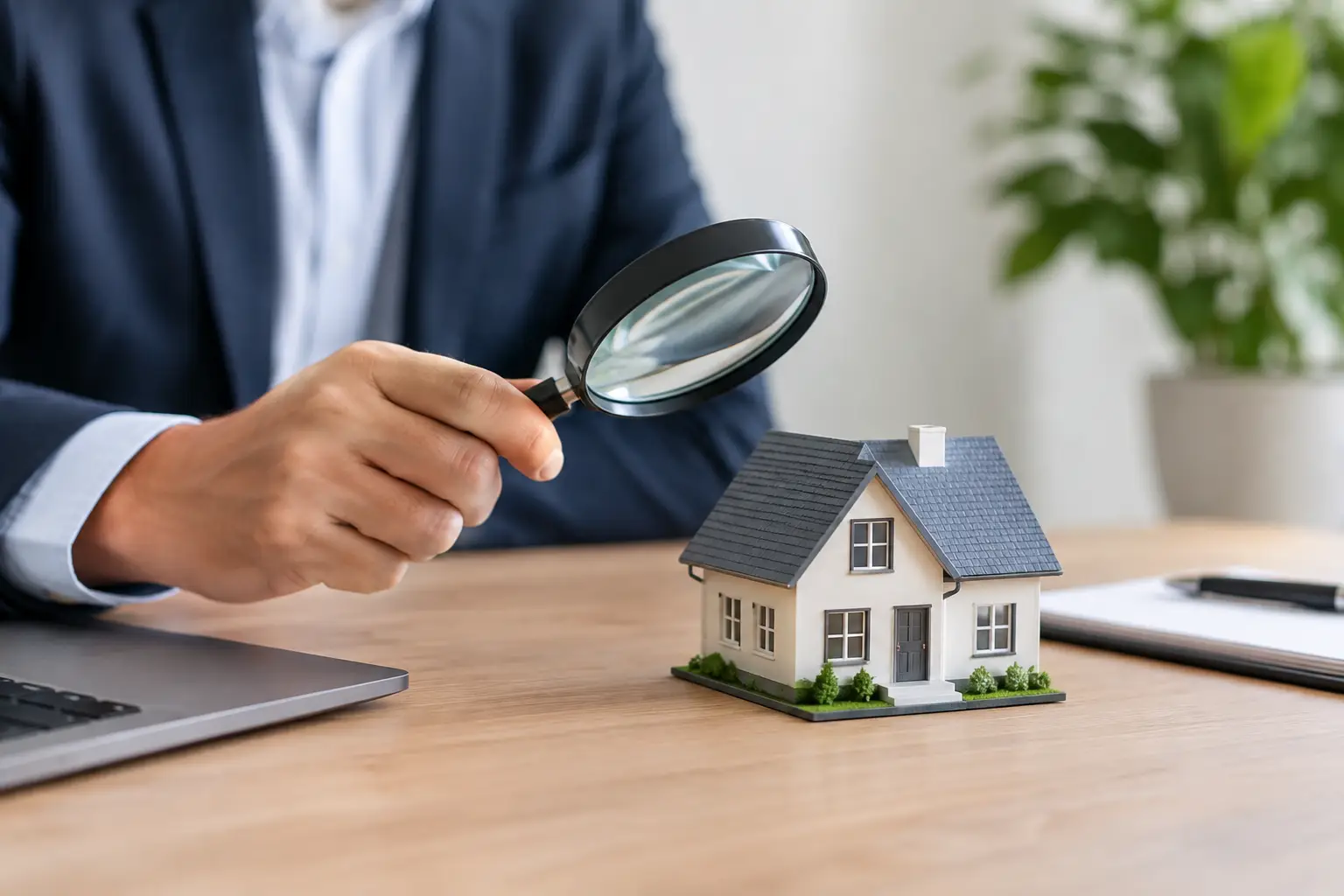
That used sofa listed at a great price, the apartment that seems perfect, or the buyer who offers more than you asked for can all feel like a lucky break. Most listings come from real people in your community, but knowing how to avoid listing scams helps you protect your money, personal information, and time while still enjoying a good deal.
Scammers count on urgency. They want you to act before you ask questions, compare details, or talk to someone you trust. A safer marketplace experience is not about assuming every seller or buyer has bad intentions. It is about slowing down when something feels off and using a few practical habits every time.
How to Avoid Listing Scams Before You Respond
Start with the listing itself. Read it carefully, not just the headline and price. A real listing usually includes useful details: the item’s condition, size or model, location, and clear photos. A vague description is not proof of a scam, especially when someone is new to selling, but several warning signs together deserve attention.
Be cautious when the price is dramatically lower than similar listings. A seller may simply want a fast sale, but a brand-new laptop for a fraction of its normal price or a rental priced far below every comparable home needs a closer look. Search for similar local listings and consider what a reasonable price looks like.
Photos can tell you a lot, too. If images look like polished store photos, appear unrelated to the description, or show different versions of the same item, ask for a new photo. For example, request a picture of the item next to a handwritten note with today’s date. A genuine local seller can usually provide it without a problem.
Watch for copied or overly generic wording. If the same unusual sentence appears in listings across multiple cities, it may be recycled by a scammer. Trust your instincts, but verify them with details rather than relying on a feeling alone.
Keep Conversations on the Platform
A person who quickly pushes you to text, email, or use another messaging app may be trying to move the conversation somewhere with fewer records or fewer safety tools. There can be harmless reasons to exchange contact details later, especially when arranging a pickup, but there is no need to rush.
Use the platform’s messages at first and ask direct, practical questions. Buyers can ask when an item was purchased, whether it has damage, and why it is being sold. Sellers can ask whether a buyer can meet at a specific time and whether they understand the listed price. Clear answers that match the listing are reassuring. Evasive answers, copied responses, and pressure to communicate elsewhere are not.
Never share sensitive information to prove you are serious. A legitimate buyer does not need your Social Security number, bank login, full date of birth, or a verification code sent to your phone. A legitimate seller does not need those details from you either.
The verification-code trick
One common scam starts with an interested buyer who says they need to confirm you are real. They ask for your phone number, then ask you to send them a code you receive by text. That code may be tied to an account sign-in, password reset, or attempt to create an account in your name.
Treat every unexpected code as private. Do not read it aloud, forward it, or enter it on a page someone else sends you. If a message says a code should not be shared, believe it.
Choose Payment Methods That Make Sense
Payment scams can affect both sides of a listing. For buyers, the biggest rule is simple: do not pay in advance for an item you have not seen unless you are using a payment method designed for protected purchases and you understand its terms. Gift cards, cryptocurrency, wire transfers, and cash-transfer requests to strangers are especially risky because recovering money can be difficult or impossible.
For sellers, do not treat a screenshot, email, or notification from a buyer as proof that money arrived. Open your payment app or bank account yourself and confirm the transaction. Scammers can create realistic-looking payment confirmations, then pressure you to hand over an item or send money back.
Be careful with overpayment stories. A buyer may claim they accidentally sent too much and ask you to refund the difference, often through a different payment method. In many cases, the original payment was never real or will later be reversed. Cancel the transaction instead of sending any money.
Cash at a safe, in-person exchange can be straightforward for lower-cost items, but inspect bills if you are unsure. For higher-value purchases, meeting at a bank can be a sensible option. The buyer can withdraw cash there, and both people have a more public setting.
Meet Safely for Local Listings
For a local pickup, choose a public, well-lit place where other people are nearby. Many police departments, libraries, coffee shops, and busy shopping areas offer practical meeting locations. If you are selling something large that must be picked up from your home, keep the item near an entrance or garage when possible, avoid inviting the person farther inside, and have another adult present.
Tell a friend or family member where you are going, who you are meeting, and when you expect to be back. Share the listing details if you can. This is not overreacting. It is the same common-sense preparation you would use when meeting anyone you do not know well.
Buyers should inspect an item before paying. Turn on electronics, check serial numbers when relevant, test moving parts, and make sure the condition matches the description. Sellers should be equally comfortable saying no if a buyer tries to renegotiate aggressively, changes the meeting location at the last minute, or arrives with more people than expected.
If a situation becomes uncomfortable, leave. A deal is never worth ignoring that feeling.
Rental and Housing Listings Need Extra Care
Housing scams can cause bigger losses because deposits and moving costs add up quickly. Never send a deposit before you have toured the property, confirmed the person has the right to rent it, and reviewed a legitimate lease. If someone says they are out of town, cannot show the unit, or wants payment before a viewing, pause immediately.
Compare the address, photos, rent, and contact information with other public listings. Look for mismatched details, such as photos that belong to a different building or an owner name that does not match the leasing contact. Ask to see the unit in person or through a live video walkthrough if an in-person visit is genuinely impossible.
A real rental process may include an application and screening, but it should not require sensitive financial information through an unverified message. Provide only what is necessary, and make sure you know who is collecting it and why.
When a Buyer or Seller Pressures You
Pressure is one of the clearest scam signals. Someone may say several other people are waiting, claim an offer expires in minutes, or create a dramatic story about needing money immediately. Real people can be in a hurry, of course. The difference is whether they respect reasonable questions and normal safety steps.
Walk away when someone insists on an unusual payment method, refuses a public meetup, asks you to ship before payment clears, or wants personal information unrelated to the sale. You do not owe anyone a long explanation. A simple “I’m not comfortable with that” is enough.
If you notice a suspicious listing or message, report it through the platform and keep screenshots of the conversation. Reporting helps protect other community members, too. If you have sent money or shared financial information, contact your bank or payment provider right away. Acting quickly can matter.
Build Safer Habits, Not Fear
The goal is not to make buying and selling feel stressful. Community marketplaces are useful because neighbors can pass along items, find deals, and connect around what they need. Friendys is built around that kind of everyday connection, and good community habits make those exchanges better for everyone.
Take a minute to check the details, keep your private information private, confirm payment independently, and meet in a place that feels safe. The best deals can wait long enough for you to make a smart choice.
 Turkish
 English
 French
 Spanish
 Portuguese
 Deutsch
 Dutch
Dutch
 Italiano
 Russian
 Romaian
 Portuguese (Brazil)
 Greek
Greek
 Ukrainian