


 GenAp group chat
 United Ukraine
 Get your capital one card today
 WebHosting best
 Adsline Classifier
 Autodeal
 Android App
 Apple App
10 Best Ways to Meet Neighbors and Make Friends
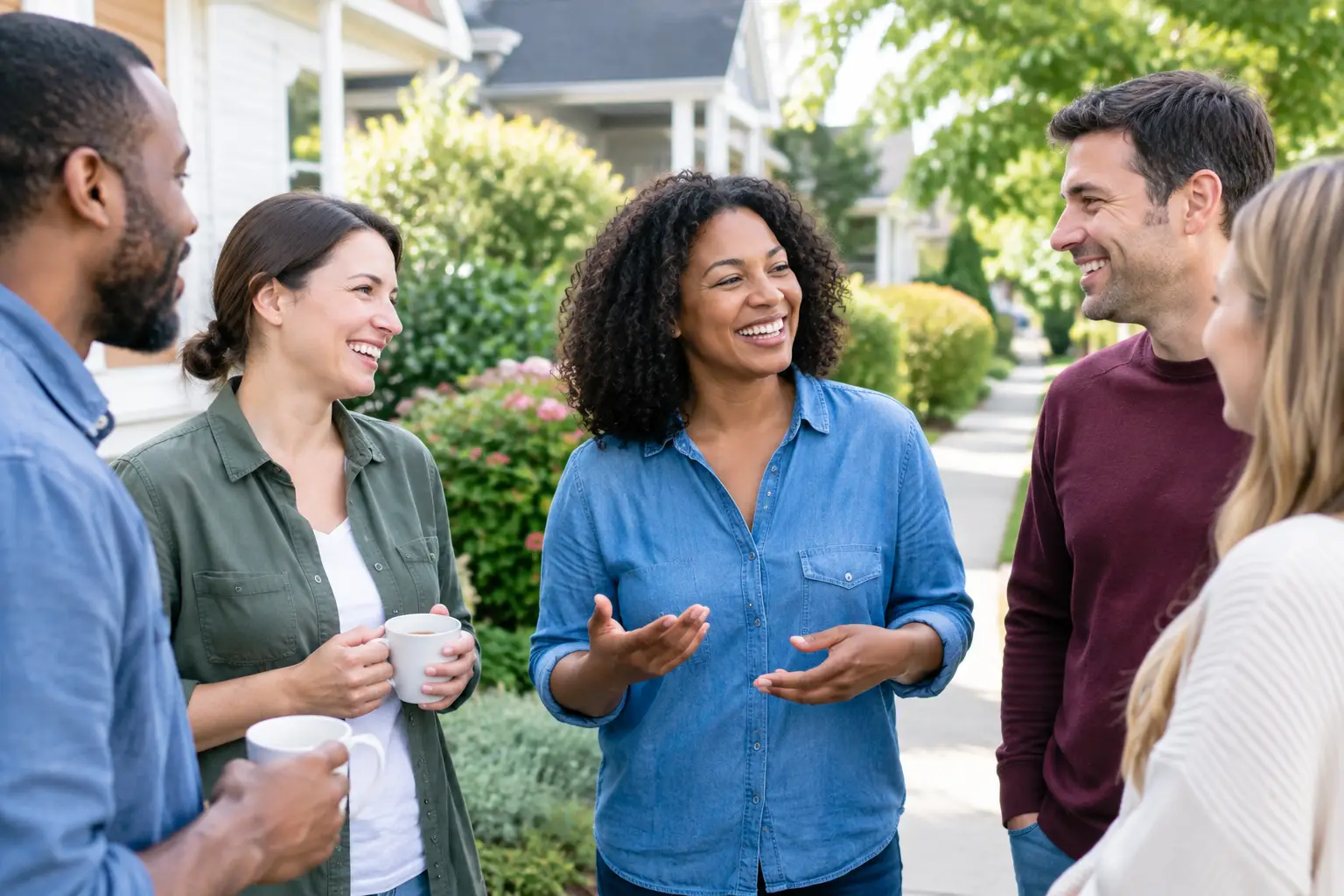
The best ways to meet neighbors rarely begin with a big introduction or a packed social calendar. More often, they start with a wave while bringing in groceries, a quick question at the mailbox, or a familiar face you see on the same walk each week. Those small moments make it easier to turn a place you live into a community you belong to.
Meeting people close to home can feel awkward, especially after a move or in a neighborhood where everyone seems busy. The good news is that you do not need to be the most outgoing person on the block. You only need a few natural opportunities to show up, say hello, and follow through when a conversation clicks.
Start with the everyday moments already happening
Your neighborhood has built-in meeting points: sidewalks, lobbies, mailrooms, parks, dog-walking routes, school pickup lines, and local coffee shops. Instead of waiting for a formal invitation, use the moments you already share.
If you see someone regularly, try a simple opener connected to the situation. Ask how long they have lived nearby, compliment their garden, or ask whether they have tried a local restaurant. Keep it light and give the other person room to continue or move on. A brief friendly exchange is still progress because the next hello will feel much more natural.
Consistency matters more than a perfect first conversation. Taking the same morning walk or visiting the same farmers market can turn strangers into familiar faces without forcing anything.
Make your front porch, lobby, or shared space more social
You do not need to host a full party to be approachable. Sitting outside for a little while, tending plants, or spending time in a shared building space gives neighbors a low-pressure opening to say hello.
For apartment residents, the laundry room, package area, fitness room, and community bulletin board can be surprisingly useful places to connect. A quick chat about a delivery, a local recommendation, or a building update can lead to a longer conversation later.
If you have a yard or porch, consider a casual signal that people are welcome to stop for a minute. That might be a sidewalk chalk activity with kids, a bowl of water for passing dogs, or simply being outside when neighbors are coming home. The goal is not to entertain everyone. It is to make everyday connection feel normal.
Join activities built around a shared interest
Common interests take pressure off a new conversation. A book club, walking group, recreational sports league, gardening club, faith community, volunteer project, or parent group already gives people something to talk about.
Choose an activity you actually enjoy rather than joining one only to meet people. When the activity itself is rewarding, you will be more likely to return, and repeat attendance is where friendships usually grow. A weekly beginner pickleball session may lead to more real connection than a one-time networking event because you keep seeing the same people.
It also helps to look for groups close to home. A citywide club can be fun, but a neighborhood-focused group makes it easier to turn a shared interest into a coffee, a park meetup, or a last-minute plan on a Saturday afternoon.
Use local events as an easy first step
Neighborhood festivals, library programs, school fundraisers, cleanup days, outdoor concerts, and pop-up markets are designed for people to gather. You do not have to arrive with someone or stay for hours. Showing up is enough to create chances for short, natural conversations.
Ask an organizer what else is happening locally, or ask another attendee whether they have been to the event before. People often enjoy sharing what they know about the area, especially with someone new to the community.
If you see a neighbor at an event, say hello even if you have only exchanged waves before. A familiar face in a new setting creates an easy bridge: it is much less intimidating to say, I think we live near each other, than to introduce yourself from scratch.
Be the person who asks for a recommendation
A recommendation request is one of the simplest conversation starters because it gives your neighbor a chance to be helpful. Ask where they go for pizza, which mechanic they trust, where to find a good hiking trail, or whether there is a nearby spot for a quiet cup of coffee.
The key is to make it specific and genuine. Instead of asking what is good around here, ask where they would take visiting friends for brunch. Specific questions lead to better answers and often reveal shared tastes.
When you try their suggestion, mention it the next time you see them. Saying that you loved the taco place they recommended turns a passing chat into an ongoing connection. It also shows that you listened.
Offer a small, practical reason to connect
Neighborly relationships often grow through ordinary acts of help. You might offer extra tomatoes from your garden, share the name of a reliable plumber, bring a misdelivered package over, or ask if someone needs a hand carrying something.
Keep these gestures simple and respectful. The point is not to create an obligation or insert yourself into someone’s life. It is to show that you are considerate and open to the give-and-take that makes a neighborhood feel friendlier.
If you have children or pets, those can create natural openings too. A dog playdate, a shared walk to the playground, or an extra seat at a kids’ craft table can be easier than asking someone directly to hang out.
Invite people to something casual and easy to leave
Once you have had a few good exchanges, make a small invitation. The best early invitations have a clear activity and a low commitment. Invite a neighbor for a walk, ask whether they want to check out a local market, or mention that you are having coffee on the porch Saturday morning.
Avoid putting pressure on the answer. A simple no problem if you are busy keeps the interaction comfortable. People have different schedules, family responsibilities, energy levels, and comfort zones. A declined invitation does not mean they do not want to know you.
For a wider circle, a casual gathering works well: a potluck in a shared courtyard, a board game afternoon, or a bring-your-own-chair outdoor chat. Keep the plan modest. People are more likely to come when it feels easy.
Find neighbors online, then bring the connection local
Online spaces can be especially helpful if you work from home, are new to the area, or do not often cross paths with people nearby. Look for local conversations about events, hobbies, community news, items for sale, or volunteer needs. These are often better starting points than sending a random message with no shared context.
Friendys gives members one place to discover people, join groups, chat, follow local activity, browse marketplace listings, and take part in community conversations. If you see someone posting about a neighborhood event or shared interest, respond with something useful and friendly. Then, when it feels appropriate, suggest meeting at the event or joining the same activity.
Use good judgment online. Keep early conversations public or group-based, protect personal details, and meet in comfortable public places when you are getting to know someone new.
Show up when your neighborhood needs a hand
Community projects create a different kind of connection because everyone is working toward the same goal. Volunteer at a food drive, help with a school event, attend a neighborhood association meeting, or join a park cleanup. You will meet people who care enough to participate, which gives you an immediate shared value.
Do not worry if you cannot commit every week. Even one afternoon can introduce you to local organizers and make you aware of future opportunities. If a project feels like a fit, become a regular. Being reliable is one of the fastest ways to become part of a community.
Give new connections time to grow
Not every friendly neighbor will become a close friend, and that is completely fine. Some relationships stay at the wave-and-chat level, while others become walking buddies, babysitting swaps, dinner guests, or people you can call when you need help. Each kind of connection adds something valuable.
The most effective approach is a mix of openness and patience. Say hello again. Remember a name. Ask about the new job, the dog, or the garden project they mentioned last week. Small follow-ups tell people they matter without making the relationship feel rushed.
Your next good neighbor connection may start with something as ordinary as holding a door, returning a package, or asking where to get the best bagel nearby. Take the small opening, be kind, and let the conversation have somewhere to go.
 Romaian
 English
 French
 Spanish
 Portuguese
 Deutsch
 Turkish
 Dutch
Dutch
 Italiano
 Russian
 Portuguese (Brazil)
 Greek
Greek
 Ukrainian