


 GenAp group chat
 United Ukraine
 Get your capital one card today
 WebHosting best
 Adsline Classifier
 Autodeal
 Android App
 Apple App
Best Safe Online Marketplaces for Smarter Shopping
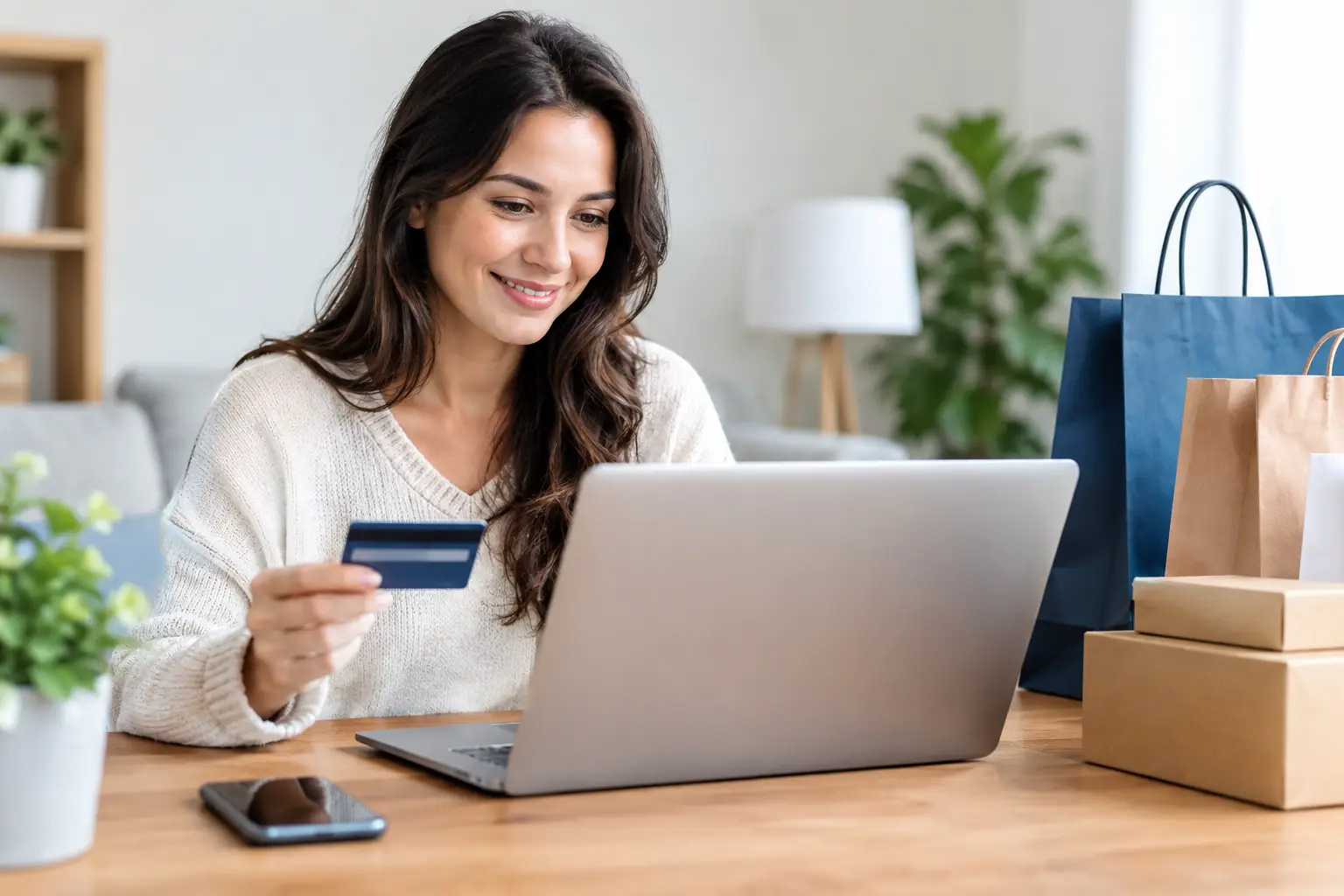
That $40 patio set, hard-to-find game console, or handmade birthday gift can be a great find - but only if the person and the platform behind the listing earn your trust. The best safe online marketplaces make it easier to discover deals, connect with real people, and handle transactions with clear expectations. Still, no app or website can remove every risk. Smart shopping comes from choosing the right kind of marketplace for the purchase and taking a few practical steps before money or goods change hands.
For local shoppers, independent sellers, collectors, and anyone clearing out a closet, online marketplaces can bring everyday buying and selling closer to the communities around us. The goal is not to shop fearfully. It is to stay alert, communicate clearly, and walk away when something feels off.
What Makes an Online Marketplace Safer?
A large audience alone does not make a marketplace safe. A better sign is whether the platform gives members tools to create accountable listings and communicate in a traceable way. Profiles, listing details, reporting options, ratings or reviews, moderated community spaces, and protected payment choices can all help people make better decisions.
The strongest marketplaces also fit the item being sold. A platform built around local pickup is useful for furniture, bikes, and home goods because buyers can inspect the item in person. A marketplace that supports shipping and buyer protection may be a better fit for collectibles, clothing, or specialty products from sellers farther away. The safest choice depends on what you are buying, how much it costs, and whether you can verify its condition before paying.
A good marketplace experience should make it easy to ask questions, review photos, check a seller's history when available, and report suspicious behavior. If a platform pushes you to move conversations off-site immediately or offers no clear way to flag a problem, treat that as a reason to slow down.
The Best Safe Online Marketplaces by Shopping Need
There is no single winner for every buyer and seller. The best safe online marketplaces are usually the ones that match the transaction, rather than the ones with the loudest advertising.
For local pickup and neighborhood deals
Local classified-style marketplaces work well when seeing an item matters. Think sofas, appliances, tools, baby gear, sporting goods, and vehicles. You can compare nearby listings, ask about wear and measurements, and avoid shipping costs. Community-based marketplaces can be especially useful because the conversation begins with shared local context rather than a completely anonymous listing.
Friendys brings marketplace browsing into the same place where members can connect, join groups, chat, and discover local activity. That kind of shared community setting can make a listing feel more personal, but the same common-sense rules still apply. Meet safely, inspect before paying, and keep the transaction focused on the item.
The trade-off with local marketplaces is that protections vary. You may not have the same dispute process available on a major shipping platform, so it is especially important to inspect an item carefully and agree on the price before meeting.
For shipped items and specialty finds
Large online marketplaces with established payment systems can be a better choice when you need shipping, want access to more sellers, or are looking for a specific product that is hard to find locally. These marketplaces are often useful for refurbished electronics, vintage goods, collectibles, books, replacement parts, and items from small businesses.
Look for clear return policies, payment records, order tracking, and a process for reporting an item that never arrives or arrives significantly different from the description. Read the listing closely. “For parts,” “final sale,” and “untested” can be honest descriptions, but they change what a fair price looks like.
Seller feedback can help, especially when it is recent and includes details about shipping, communication, and item condition. But reviews are one clue, not a guarantee. A new seller may be legitimate, and a long-standing account can still be compromised.
For handmade, vintage, and independent sellers
Marketplaces focused on creative work and small shops can be a wonderful place to find one-of-a-kind gifts, custom items, and vintage pieces. Safety here is often less about a face-to-face meeting and more about understanding exactly what is being offered.
Check whether an item is handmade, vintage, made to order, or produced by a third party. Review processing times along with shipping times, especially for personalized items. Photos should show the actual product when possible, and descriptions should be specific about size, materials, and variations. If a price seems unusually low for a detailed custom product, ask a question before ordering.
For clothing and resale
Fashion resale marketplaces can make it easier to buy secondhand, try new styles, and sell items you no longer wear. Condition language matters here. “New with tags,” “excellent,” “good,” and “fair” can mean different things to different sellers, so request close-up photos of stains, pilling, altered hems, worn soles, or missing pieces when the listing does not show them.
For higher-value bags, watches, sneakers, and jewelry, look for authentication services or clear policies for disputed authenticity. Never let excitement over a rare item replace a careful review of the photos, seller details, and payment process.
Safety Steps That Work on Almost Any Marketplace
A safe transaction is usually built from several small decisions. Before you buy or sell, keep these habits in your routine:
- Keep messages on the marketplace whenever possible so there is a record of what was promised.
- Review the full listing, including condition, measurements, pickup details, return terms, and extra fees.
- Use the platform's approved payment method or a payment method you understand. Be cautious when someone demands gift cards, cryptocurrency, wire transfers, or payment outside the platform.
- Meet in a public, well-lit location for local exchanges, preferably during the day. Bring another person for high-value items when you can.
- Inspect the item before handing over payment. For electronics, ask to see the device turn on and test the basics.
Scammers often create urgency: “Someone else is coming in five minutes,” “Send a deposit now,” or “My cousin will pick it up, but you need to pay the mover first.” A legitimate buyer or seller can usually answer normal questions and allow reasonable time to make a decision. Pressure is not proof of a scam, but it is a reason to pause.
Red Flags Worth Taking Seriously
Some warning signs are clear. Stock-looking photos, vague descriptions, prices far below market value, and a refusal to answer basic questions should all make you cautious. So should a buyer who sends more money than requested and asks you to refund the difference. That is a common overpayment scam, and the original payment may later disappear.
Be careful with verification-code requests, too. A real buyer does not need a code sent to your phone to purchase your table or jacket. Those codes can be used to access your accounts. Never share passwords, one-time login codes, bank details, or your full home address just to complete a routine marketplace sale.
For local purchases, avoid giving strangers more personal information than necessary. You can arrange a meetup near a public location rather than at your home. If you must offer porch pickup for a low-value item, choose a time when someone else is home and keep communication within the platform.
How Sellers Can Build Trust Without Taking Risks
Selling safely is also about making buyers feel comfortable. Use your own clear photos, describe flaws honestly, include useful details such as dimensions or model numbers, and set a fair price. A well-written listing reduces the back-and-forth and attracts people who know what they are coming to see.
Set boundaries early. You can say that payment is due at pickup, that you will not hold an item without an agreed arrangement, or that you only meet in public. You do not need to explain or apologize for reasonable safety rules. Buyers who respect your time are more likely to respect your terms.
If a conversation becomes confusing, aggressive, or overly complicated, cancel the sale. There will be other buyers. A missed deal costs less than a stolen account, a fraudulent payment, or an unsafe meeting.
Choose Connection, Not Pressure
Online marketplaces work best when they help people pass useful things along, support independent sellers, and find what they need without turning every transaction into a gamble. Browse with curiosity, ask the extra question, and trust yourself enough to walk away from a deal that does not feel right. The right find will still feel like a win when you get home.
 French
 English
 Spanish
 Portuguese
 Deutsch
 Turkish
 Dutch
Dutch
 Italiano
 Russian
 Romaian
 Portuguese (Brazil)
 Greek
Greek
 Ukrainian