• How to grow banana and grapes at home #viralreels #banana #reel #gardening #love #viralvideos #garden #viral #plants #romance
    How to grow banana and grapes at home #viralreels #banana #reel #gardening #love #viralvideos #garden #viral #plants #romance
    WWW.FACEBOOK.COM
    Facebook
    How to grow banana and grapes at home #viralreels #banana #reel #gardening #love #viralvideos #garden #viral #plants #romance
    0 Comments 0 Shares 905 Views 0 Reviews
  • https://www.facebook.com/share/p/1ADtnucf1b/
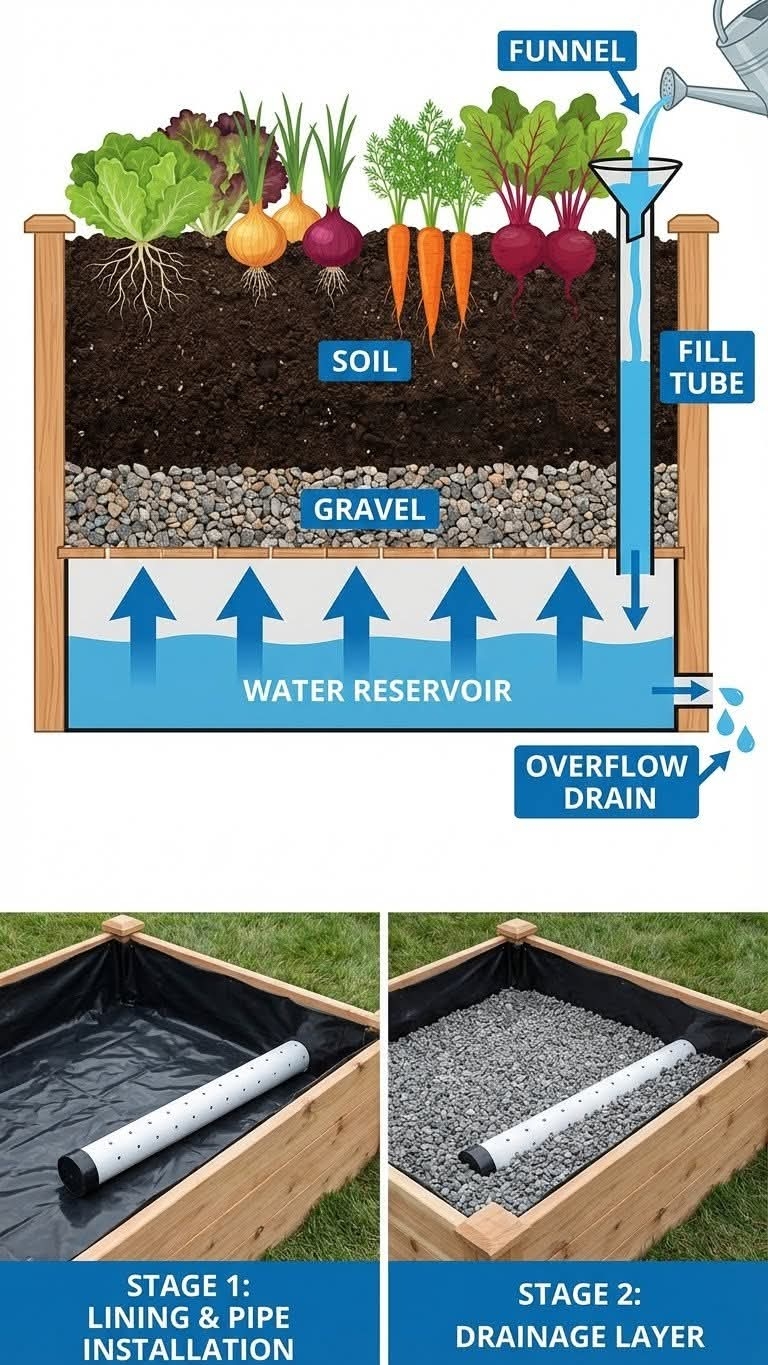
    Self watering garden
    https://www.facebook.com/share/p/1ADtnucf1b/ Self watering garden
    1 Comments 0 Shares 274 Views 0 Reviews
  • Understanding #Rainwater #HarvestingSystem.

    Here's a breakdown of the components and process:

    Core Components:
    ▪️ Rooftop: The primary collection surface for rainwater.
    ▪️ Gutter: Channels rainwater from the roof to the downspout.
    ▪️ Downspout: Directs rainwater from the gutter to the storage tank.
    ▪️ Filter: Removes debris and impurities from the rainwater.
    ▪️ Storage Tank: Stores collected rainwater.
    ▪️ Pump: Pumps water from the storage tank for distribution.
    ▪️ Distribution System: Delivers water to various points of use, such as toilets, washing machines, and gardens.
    ▪️ Overflow: Releases excess water when the tank is full.

    How it Works:
    1. Rainwater Collection: Rainwater falls on the rooftop and is channeled into the gutters.
    2. Water Diversion: The gutters direct the rainwater into the downspout.
    3. Filtration: The rainwater passes through a filter to remove debris and impurities.
    4. Storage: The filtered rainwater is stored in the underground tank.
    5. Water Usage: The stored rainwater can be used for various non-potable purposes, such as:
    - Toilet flushing
    - Laundry
    - Garden watering
    - Car washing
    6. Overflow: If the tank reaches capacity, excess water is released through the overflow pipe.

    Benefits of Rainwater Harvesting:
    ▪️ Water Conservation: Reduces reliance on municipal water supplies.
    ▪️ Reduced Water Bills: Can significantly lower water bills.
    ▪️ Environmental Benefits: Reduces stormwater runoff and helps recharge groundwater.
    ▪️ Improved Water Quality: Filtered rainwater is often cleaner than municipal water.

    Key Considerations:
    ▪️ Water Quality: Regular cleaning and maintenance of the storage tank and filters are essential to ensure water quality.
    ▪️ Local Regulations: Check local regulations regarding rainwater harvesting and water usage.
    ▪️ Tank Size: The size of the storage tank should be determined based on your water needs and local rainfall patterns.
    ▪️ Water Treatment: For potable use, rainwater may require additional

    #Inno

    Understanding #Rainwater #HarvestingSystem. Here's a breakdown of the components and process: Core Components: ▪️ Rooftop: The primary collection surface for rainwater. ▪️ Gutter: Channels rainwater from the roof to the downspout. ▪️ Downspout: Directs rainwater from the gutter to the storage tank. ▪️ Filter: Removes debris and impurities from the rainwater. ▪️ Storage Tank: Stores collected rainwater. ▪️ Pump: Pumps water from the storage tank for distribution. ▪️ Distribution System: Delivers water to various points of use, such as toilets, washing machines, and gardens. ▪️ Overflow: Releases excess water when the tank is full. How it Works: 1. Rainwater Collection: Rainwater falls on the rooftop and is channeled into the gutters. 2. Water Diversion: The gutters direct the rainwater into the downspout. 3. Filtration: The rainwater passes through a filter to remove debris and impurities. 4. Storage: The filtered rainwater is stored in the underground tank. 5. Water Usage: The stored rainwater can be used for various non-potable purposes, such as: - Toilet flushing - Laundry - Garden watering - Car washing 6. Overflow: If the tank reaches capacity, excess water is released through the overflow pipe. Benefits of Rainwater Harvesting: ▪️ Water Conservation: Reduces reliance on municipal water supplies. ▪️ Reduced Water Bills: Can significantly lower water bills. ▪️ Environmental Benefits: Reduces stormwater runoff and helps recharge groundwater. ▪️ Improved Water Quality: Filtered rainwater is often cleaner than municipal water. Key Considerations: ▪️ Water Quality: Regular cleaning and maintenance of the storage tank and filters are essential to ensure water quality. ▪️ Local Regulations: Check local regulations regarding rainwater harvesting and water usage. ▪️ Tank Size: The size of the storage tank should be determined based on your water needs and local rainfall patterns. ▪️ Water Treatment: For potable use, rainwater may require additional #Inno

    0 Comments 0 Shares 3K Views 0 Reviews
  • Garden ideas
    Garden ideas
    0 Comments 0 Shares 566 Views 0 Reviews
  • Hebrew & Arabic! HOW GREAT IS OUR GOD גדול אלוהי (GADOL ELOHAI) LIVE at the GARDEN TOMB
    Hebrew & Arabic! HOW GREAT IS OUR GOD גדול אלוהי (GADOL ELOHAI) LIVE at the GARDEN TOMB
    0 Comments 0 Shares 1K Views 0 Reviews
  • Power Mower of the Future: The Comfort Lawn Mower of 1957
    In the 1950s, Americans embraced new technologies that promised convenience and comfort, transforming even the most routine chores. Lawn care was no exception, as innovative products emerged to make outdoor work easier and more enjoyable. One remarkable creation was the Comfort Lawn Mower, introduced on October 14, 1957, and proudly marketed as the “Power Mower of the Future.” This futuristic machine was more than a lawn mower; it was a glimpse into a high-tech, luxurious future where even mowing the lawn could be a pleasure.
    The Comfort Lawn Mower stood out with a design straight from science fiction. Imagine a large, 5-foot-diameter plastic bubble—this was where the operator would sit, comfortably perched on an air-foam-cushioned seat. This enclosed, futuristic “capsule” provided protection from dust and grass clippings, keeping the user cleaner and more comfortable than with traditional mowers. The design reflected a period fascinated with the idea of “modern” living, when the latest gadgets promised not only functionality but also an experience of comfort and luxury.
    What made the Comfort Lawn Mower particularly exciting was its built-in electric generator, which powered a host of additional features. The mower was equipped with running lights, a radio telephone, and even air conditioning. These features were practically unheard of in garden tools of the time, transforming what could be a sweaty, noisy job into an experience of cool comfort. It also featured a system to keep drinks chilled—an especially welcome touch on hot summer days, making it the perfect partner for the leisure-loving homeowner.
    The Comfort Lawn Mower’s level of sophistication highlighted a broader trend: technology was becoming an integral part of everyday life, making work easier and more enjoyable. This was an era when people were beginning to view household tasks differently, no longer as mere chores but as activities that could be elevated by comfort and convenience. The Comfort Lawn Mower symbolized this shift, embodying a vision where the mundane met the marvelous.
    While this remarkable mower didn’t become a common sight on suburban lawns, its legacy lives on as a fascinating piece of 1950s innovation. The Comfort Lawn Mower reminds us of a time when Americans were dreaming big, even about lawn care, as they welcomed new technology into their lives with open arms.

    https://www.facebook.com/share/p/15iajEbpYe/
    Power Mower of the Future: The Comfort Lawn Mower of 1957 In the 1950s, Americans embraced new technologies that promised convenience and comfort, transforming even the most routine chores. Lawn care was no exception, as innovative products emerged to make outdoor work easier and more enjoyable. One remarkable creation was the Comfort Lawn Mower, introduced on October 14, 1957, and proudly marketed as the “Power Mower of the Future.” This futuristic machine was more than a lawn mower; it was a glimpse into a high-tech, luxurious future where even mowing the lawn could be a pleasure. The Comfort Lawn Mower stood out with a design straight from science fiction. Imagine a large, 5-foot-diameter plastic bubble—this was where the operator would sit, comfortably perched on an air-foam-cushioned seat. This enclosed, futuristic “capsule” provided protection from dust and grass clippings, keeping the user cleaner and more comfortable than with traditional mowers. The design reflected a period fascinated with the idea of “modern” living, when the latest gadgets promised not only functionality but also an experience of comfort and luxury. What made the Comfort Lawn Mower particularly exciting was its built-in electric generator, which powered a host of additional features. The mower was equipped with running lights, a radio telephone, and even air conditioning. These features were practically unheard of in garden tools of the time, transforming what could be a sweaty, noisy job into an experience of cool comfort. It also featured a system to keep drinks chilled—an especially welcome touch on hot summer days, making it the perfect partner for the leisure-loving homeowner. The Comfort Lawn Mower’s level of sophistication highlighted a broader trend: technology was becoming an integral part of everyday life, making work easier and more enjoyable. This was an era when people were beginning to view household tasks differently, no longer as mere chores but as activities that could be elevated by comfort and convenience. The Comfort Lawn Mower symbolized this shift, embodying a vision where the mundane met the marvelous. While this remarkable mower didn’t become a common sight on suburban lawns, its legacy lives on as a fascinating piece of 1950s innovation. The Comfort Lawn Mower reminds us of a time when Americans were dreaming big, even about lawn care, as they welcomed new technology into their lives with open arms. https://www.facebook.com/share/p/15iajEbpYe/
    0 Comments 0 Shares 4K Views 0 Reviews
  • How To Plant Aloe vera from Leaf Cuttings , Works like a charm...every time. in 2 easy steps!
    1. Select a healthy leaf:
    Choose a mature, disease-free Aloe vera leaf for cutting.
    2. Prepare the leaf cutting:
    Use a clean knife or scissors to cut the leaf close to the base.
    3. Optional: Let the cutting dry:
    Allow the cut end to dry and callus for a day if desired.
    4. Prepare the pot:
    Fill a pot with well-draining potting mix, like cactus or succulent mix.
    5. Plant the cutting:
    Insert the cut end of the leaf into the potting mix, 1-2 inches deep.
    6. Water lightly:
    Lightly water the potting mix to settle it around the cutting.
    7. Place in indirect light:
    Put the pot in a bright, indirect sunlight location.
    8. Wait for roots to develop:
    Be patient as roots develop over a few weeks to months.
    9. Water sparingly:
    Water sparingly, allowing the top inch of soil to dry between waterings.
    10. Transplant if needed:
    Transfer to a larger pot or garden as the plant grows.
    11. Provide regular care:
    Continue care with proper light, watering, and occasional feeding.
    How To Plant Aloe vera from Leaf Cuttings , Works like a charm...every time. in 2 easy steps! 1. Select a healthy leaf: Choose a mature, disease-free Aloe vera leaf for cutting. 2. Prepare the leaf cutting: Use a clean knife or scissors to cut the leaf close to the base. 3. Optional: Let the cutting dry: Allow the cut end to dry and callus for a day if desired. 4. Prepare the pot: Fill a pot with well-draining potting mix, like cactus or succulent mix. 5. Plant the cutting: Insert the cut end of the leaf into the potting mix, 1-2 inches deep. 6. Water lightly: Lightly water the potting mix to settle it around the cutting. 7. Place in indirect light: Put the pot in a bright, indirect sunlight location. 8. Wait for roots to develop: Be patient as roots develop over a few weeks to months. 9. Water sparingly: Water sparingly, allowing the top inch of soil to dry between waterings. 10. Transplant if needed: Transfer to a larger pot or garden as the plant grows. 11. Provide regular care: Continue care with proper light, watering, and occasional feeding.
    0 Comments 0 Shares 1K Views 0 Reviews
  • Baking Soda: A Gardener’s Best Friend - 10 Clever Uses in the Garden

    1. Natural Fungicide:
    Mix baking soda with water and liquid soap to spray on plants and combat fungal diseases like powdery mildew.

    2. Weed Killer:
    Directly apply baking soda on garden weeds to kill them without harming surrounding plants.

    3. Pest Deterrent:
    A mixture of baking soda and flour can deter pests like cabbage worms and aphids when dusted on plants.

    4. Soil Amendment:
    Baking soda can be used to neutralize overly acidic soil, improving the environment for plant growth.

    5. Tomato Sweetener:
    Sprinkle baking soda around tomato plants to decrease soil acidity, resulting in sweeter tomatoes.

    6. Compost Enhancer:
    Speed up the composting process by making the environment more alkaline with baking soda.

    7. Odor Absorber:
    Neutralize odors in areas like compost bins by sprinkling baking soda.

    8. Tool Cleaner:
    Clean gardening tools by scrubbing them with a baking soda paste to remove dirt and rust.

    9. Seed Germination:
    Enhance seed germination by soaking seeds in a baking soda solution before planting.

    10. Ant Repellent:
    Deter ants by creating barriers with baking soda around plants or ant trails.

    #GardeningHacks #OrganicGardening #BakingSodaUses #GardenTips #PlantCare #NaturalFungicide #WeedControl #PestControl #SoilHealth #EcoFriendlyGardening
    Baking Soda: A Gardener’s Best Friend - 10 Clever Uses in the Garden 1. Natural Fungicide: Mix baking soda with water and liquid soap to spray on plants and combat fungal diseases like powdery mildew. 2. Weed Killer: Directly apply baking soda on garden weeds to kill them without harming surrounding plants. 3. Pest Deterrent: A mixture of baking soda and flour can deter pests like cabbage worms and aphids when dusted on plants. 4. Soil Amendment: Baking soda can be used to neutralize overly acidic soil, improving the environment for plant growth. 5. Tomato Sweetener: Sprinkle baking soda around tomato plants to decrease soil acidity, resulting in sweeter tomatoes. 6. Compost Enhancer: Speed up the composting process by making the environment more alkaline with baking soda. 7. Odor Absorber: Neutralize odors in areas like compost bins by sprinkling baking soda. 8. Tool Cleaner: Clean gardening tools by scrubbing them with a baking soda paste to remove dirt and rust. 9. Seed Germination: Enhance seed germination by soaking seeds in a baking soda solution before planting. 10. Ant Repellent: Deter ants by creating barriers with baking soda around plants or ant trails. #GardeningHacks #OrganicGardening #BakingSodaUses #GardenTips #PlantCare #NaturalFungicide #WeedControl #PestControl #SoilHealth #EcoFriendlyGardening
    0 Comments 0 Shares 3K Views 0 Reviews
  • SECRET BAKING SODA HACK - The Most Powerful Organic Pesticide Mixture 🌿👇

    1. Natural Fungicide: Mix baking soda with water and liquid soap to spray on plants and combat fungal diseases like powdery mildew.

    2. Weed Killer: Directly apply baking soda on garden weeds to kill them without harming surrounding plants.

    3. Pest Deterrent: A mixture of baking soda and flour can deter pests like cabbage worms and aphids when dusted on plants.

    4. Soil Amendment: Baking soda can be used to neutralize overly acidic soil, improving the environment for plant growth.

    5. Tomato Sweetener: Sprinkle baking soda around tomato plants to decrease soil acidity, resulting in sweeter tomatoes.

    6. Compost Enhancer: Speed up the composting process by making the environment more alkaline with baking soda.

    7. Odor Absorber: Neutralize odors in areas like compost bins by sprinkling baking soda.

    8. Tool Cleaner: Clean gardening tools by scrubbing them with a baking soda paste to remove dirt and rust.

    9. Seed Germination: Enhance seed germination by soaking seeds in a baking soda solution before planting.

    10. Ant Repellent: Deter ants by creating barriers with baking soda around plants or ant trails.
    SECRET BAKING SODA HACK - The Most Powerful Organic Pesticide Mixture 🌿👇 1. Natural Fungicide: Mix baking soda with water and liquid soap to spray on plants and combat fungal diseases like powdery mildew. 2. Weed Killer: Directly apply baking soda on garden weeds to kill them without harming surrounding plants. 3. Pest Deterrent: A mixture of baking soda and flour can deter pests like cabbage worms and aphids when dusted on plants. 4. Soil Amendment: Baking soda can be used to neutralize overly acidic soil, improving the environment for plant growth. 5. Tomato Sweetener: Sprinkle baking soda around tomato plants to decrease soil acidity, resulting in sweeter tomatoes. 6. Compost Enhancer: Speed up the composting process by making the environment more alkaline with baking soda. 7. Odor Absorber: Neutralize odors in areas like compost bins by sprinkling baking soda. 8. Tool Cleaner: Clean gardening tools by scrubbing them with a baking soda paste to remove dirt and rust. 9. Seed Germination: Enhance seed germination by soaking seeds in a baking soda solution before planting. 10. Ant Repellent: Deter ants by creating barriers with baking soda around plants or ant trails.
    0 Comments 0 Shares 785 Views 0 Reviews
  • Baking soda is a gardener’s best friend: here are 10 clever uses in the garden.

    1. Natural Fungicide: Mix baking soda with water and liquid soap to spray on plants and combat fungal diseases like powdery mildew.

    2. Weed Killer: Directly apply baking soda on garden weeds to kill them without harming surrounding plants.

    3. Pest Deterrent: A mixture of baking soda and flour can deter pests like cabbage worms and aphids when dusted on plants.

    4. Soil Amendment: Baking soda can be used to neutralize overly acidic soil, improving the environment for plant growth.

    5. Tomato Sweetener: Sprinkle baking soda around tomato plants to decrease soil acidity, resulting in sweeter tomatoes.

    6. Compost Enhancer: Speed up the composting process by making the environment more alkaline with baking soda.

    7. Odor Absorber: Neutralize odors in areas like compost bins by sprinkling baking soda.

    8. Tool Cleaner: Clean gardening tools by scrubbing them with a baking soda paste to remove dirt and rust.

    9. Seed Germination: Enhance seed germination by soaking seeds in a baking soda solution before planting.

    10. Ant Repellent: Deter ants by creating barriers with baking soda around plants or ant trails.
    Baking soda is a gardener’s best friend: here are 10 clever uses in the garden. 1. Natural Fungicide: Mix baking soda with water and liquid soap to spray on plants and combat fungal diseases like powdery mildew. 2. Weed Killer: Directly apply baking soda on garden weeds to kill them without harming surrounding plants. 3. Pest Deterrent: A mixture of baking soda and flour can deter pests like cabbage worms and aphids when dusted on plants. 4. Soil Amendment: Baking soda can be used to neutralize overly acidic soil, improving the environment for plant growth. 5. Tomato Sweetener: Sprinkle baking soda around tomato plants to decrease soil acidity, resulting in sweeter tomatoes. 6. Compost Enhancer: Speed up the composting process by making the environment more alkaline with baking soda. 7. Odor Absorber: Neutralize odors in areas like compost bins by sprinkling baking soda. 8. Tool Cleaner: Clean gardening tools by scrubbing them with a baking soda paste to remove dirt and rust. 9. Seed Germination: Enhance seed germination by soaking seeds in a baking soda solution before planting. 10. Ant Repellent: Deter ants by creating barriers with baking soda around plants or ant trails.
    0 Comments 0 Shares 769 Views 0 Reviews
More Results
Friendys - friend your social network https://friendys.net