




• Starting a full-scale stationary concrete plant requires millions of dollars, extensive zoning, and high overhead. The easiest, most low-risk way to launch a concrete business is by starting a Mobile/Volumetric Concrete Operation or a Small Precast Concrete Workshop.
    Step 1: Choose the Easiest Business Model
    * Volumetric Mobile Mixing (Easiest for Ready-Mix)
    * How it works: Instead of a fixed plant, you operate a volumetric mixer truck that carries raw materials (sand, stone, cement, water) separately and mixes concrete on-site.
    * Why it’s easy: You eliminate the need for expensive land leases, massive plant zoning, and high initial setup costs. You only produce what is needed, avoiding leftover waste.
    * Small Precast Concrete Workshop (Easiest for Manufacturing)
    * How it works: You make items like concrete pavers, fence posts, steps, or decorative blocks using molds in a small warehouse or yard.
    * Why it’s easy: Low initial equipment costs, minimal regulatory friction, and manageable daily operations with 1–2 workers.
    Step 2: Establish the Foundation
    * Target the Right Market
    * Avoid competing head-to-head with large commercial concrete suppliers. Focus on residential homeowners, small contractors, or landscaping projects needing smaller batches.
    * Secure Raw Material Suppliers
    * Partner with local quarries for aggregate (sand, gravel/stone) and regional cement suppliers.
    * Handle Permits and Zoning
    * Acquire a standard business license, commercial driver's licenses (CDLs) if running heavy trucks, and local zoning approval for material storage yards.
    Step 3: Minimal Equipment Checklist
    | Focus Area | Essential Equipment Needed |


    | Mobile Batching | 1 Volumetric Mixer Truck or Towable Trailer Mixer |
    | Precast Production | Compact Concrete Pan Mixer, Molds, & Vibrating Table |
    | Material Handling | Skid Steer / Front Loader (for loading sand & aggregate) |
    | Testing | Slump cone, air meter, & strength testing cylinders for QA/QC |
    Step 4: Scale Step-by-Step
    * Phase 1: Start with one truck or small workshop; handle small residential jobs or simple precast products.
    * Phase 2: Reinvest initial profits to expand your fleet or upgrade to a compact stationary batch plant.
    * Phase 3: Scale up to larger commercial orders once you have established a reliable supplier network and driver crew.
    Starting a full-scale stationary concrete plant requires millions of dollars, extensive zoning, and high overhead. The easiest, most low-risk way to launch a concrete business is by starting a Mobile/Volumetric Concrete Operation or a Small Precast Concrete Workshop. Step 1: Choose the Easiest Business Model * Volumetric Mobile Mixing (Easiest for Ready-Mix) * How it works: Instead of a fixed plant, you operate a volumetric mixer truck that carries raw materials (sand, stone, cement, water) separately and mixes concrete on-site. * Why it’s easy: You eliminate the need for expensive land leases, massive plant zoning, and high initial setup costs. You only produce what is needed, avoiding leftover waste. * Small Precast Concrete Workshop (Easiest for Manufacturing) * How it works: You make items like concrete pavers, fence posts, steps, or decorative blocks using molds in a small warehouse or yard. * Why it’s easy: Low initial equipment costs, minimal regulatory friction, and manageable daily operations with 1–2 workers. Step 2: Establish the Foundation * Target the Right Market * Avoid competing head-to-head with large commercial concrete suppliers. Focus on residential homeowners, small contractors, or landscaping projects needing smaller batches. * Secure Raw Material Suppliers * Partner with local quarries for aggregate (sand, gravel/stone) and regional cement suppliers. * Handle Permits and Zoning * Acquire a standard business license, commercial driver's licenses (CDLs) if running heavy trucks, and local zoning approval for material storage yards. Step 3: Minimal Equipment Checklist | Focus Area | Essential Equipment Needed | | Mobile Batching | 1 Volumetric Mixer Truck or Towable Trailer Mixer | | Precast Production | Compact Concrete Pan Mixer, Molds, & Vibrating Table | | Material Handling | Skid Steer / Front Loader (for loading sand & aggregate) | | Testing | Slump cone, air meter, & strength testing cylinders for QA/QC | Step 4: Scale Step-by-Step * Phase 1: Start with one truck or small workshop; handle small residential jobs or simple precast products. * Phase 2: Reinvest initial profits to expand your fleet or upgrade to a compact stationary batch plant. * Phase 3: Scale up to larger commercial orders once you have established a reliable supplier network and driver crew.

    0 Kommentare 0 Geteilt 628 Ansichten 0 Bewertungen
  • 20x30x14 Metal Building Residential
    Blueprint
    20x30x14 Metal Building Residential Blueprint
    Dateityp: pdf
    0 Kommentare 0 Geteilt 376 Ansichten 0 Bewertungen
  • https://www.bridgewellcapital.com/spartanburg-residential-hard-money/
    https://www.bridgewellcapital.com/spartanburg-residential-hard-money/
    WWW.BRIDGEWELLCAPITAL.COM
    Spartanburg Residential Landing Page
    TRUE Private Money! Close in as little as 10 Days, BBB A+ Rated, Excellent Rehab Program for Fix-to-Flip Projects, Spartanburg Hard Money Lender
    0 Kommentare 0 Geteilt 1KB Ansichten 0 Bewertungen
  • Living Large Company llc - General Contractor for Businesses and Residentials.
    Living Large Company llc - General Contractor for Businesses and Residentials.
    0 Kommentare 0 Geteilt 1KB Ansichten 0 Bewertungen
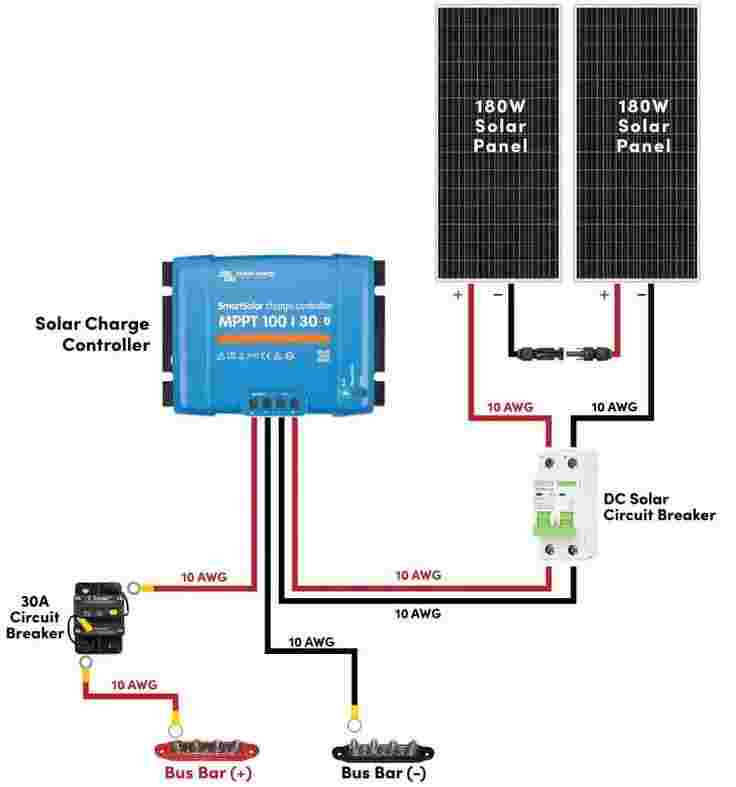
  • a high-efficiency solar charging system using two 180W solar panels connected in parallel to a Victron SmartSolar MPPT 100|30 charge controller. The MPPT (Maximum Power Point Tracking) technology ensures optimal energy harvesting from the panels, even under variable sunlight conditions. Power from the solar array flows through a DC solar circuit breaker for protection before reaching the charge controller, which regulates and distributes power to the system. A 30A circuit breaker further safeguards the output line, which connects to positive and negative bus bars via 10 AWG wiring for centralized DC distribution. This setup ensures safe, efficient, and scalable off-grid or hybrid solar power management for residential or commercial applications.

    https://www.facebook.com/share/p/15uUcpKYuV/
    a high-efficiency solar charging system using two 180W solar panels connected in parallel to a Victron SmartSolar MPPT 100|30 charge controller. The MPPT (Maximum Power Point Tracking) technology ensures optimal energy harvesting from the panels, even under variable sunlight conditions. Power from the solar array flows through a DC solar circuit breaker for protection before reaching the charge controller, which regulates and distributes power to the system. A 30A circuit breaker further safeguards the output line, which connects to positive and negative bus bars via 10 AWG wiring for centralized DC distribution. This setup ensures safe, efficient, and scalable off-grid or hybrid solar power management for residential or commercial applications. https://www.facebook.com/share/p/15uUcpKYuV/
    0 Kommentare 0 Geteilt 3KB Ansichten 0 Bewertungen
  • Certainly, let's break down the diagram you provided.

    + Overall Function:
    This diagram illustrates a wood-burning stove with a heat distribution system. The primary goal is to efficiently capture the heat generated by the stove and distribute it throughout the room or even multiple rooms.

    + Components:
    1. Wood-Burning Stove: This is the core of the system, where wood is burned to produce heat.
    2. Chimney: A vertical flue that carries smoke and combustion gases away from the stove and out of the building.
    3. Heat Exchanger: A device that transfers heat from the hot exhaust gases to the surrounding air. In this diagram, it appears to be integrated into the stove itself.
    4. Ducting System: A network of pipes or ducts that carry the heated air from the heat exchanger to different areas of the building.
    5. Supply Vents: Outlets in various rooms where the heated air is released.
    6. Return Vents: Vents that draw cool air from the room back to the heat exchanger, where it is warmed and circulated again.
    7. Fan (Optional): A fan can be used to boost the circulation of heated air through the ducting system.

    + How it Works:
    1. Combustion: Wood is burned in the stove, generating heat and producing smoke and combustion gases.
    2. Heat Exchange: The heat exchanger captures the heat from the flue gases and transfers it to the surrounding air.
    3. Air Circulation: The heated air is drawn into the ducting system through the return vents and distributed to the supply vents in different rooms.
    4. Room Heating: The heated air from the supply vents warms the rooms, creating a comfortable environment.
    5. Smoke and Gas Exhaust: The smoke and combustion gases are channeled up the chimney and expelled outside.

    + Benefits:
    - Efficient Heat Distribution: The system effectively distributes heat throughout the building, ensuring even warmth.
    - Improved Comfort: By providing consistent heat, the system can enhance comfort levels in the home.
    - Fuel Efficiency: By capturing and utilizing the heat from the flue gases, the system can improve the overall efficiency of the wood-burning stove.

    + Additional Notes:
    - The specific design and configuration of the system can vary depending on the size of the building, the desired heating capacity, and individual preferences.
    - Proper installation and maintenance are essential for optimal performance and safety.
    - It's important to ensure adequate ventilation in the rooms where the stove and heat exchanger are located to prevent the buildup of harmful gases.

    I hope this detailed explanation is helpful!

    #HomeConstruction #AnatomyOfAHome #DreamHomeInTheMaking #NewBuild #TexasRealEstate #Framing #BuildWithConfidence #architecture
    #interiordesign #home #homes #house #houses #building #buildings #design #styles #residential #residentialarchitecture #commercial #commercialarchitecture #industrial
    #industrialarchitecture #architecturelovers #architectureporn #landscapearchitecture

    https://www.facebook.com/share/p/128iCwQ2HhS/
    Certainly, let's break down the diagram you provided. + Overall Function: This diagram illustrates a wood-burning stove with a heat distribution system. The primary goal is to efficiently capture the heat generated by the stove and distribute it throughout the room or even multiple rooms. + Components: 1. Wood-Burning Stove: This is the core of the system, where wood is burned to produce heat. 2. Chimney: A vertical flue that carries smoke and combustion gases away from the stove and out of the building. 3. Heat Exchanger: A device that transfers heat from the hot exhaust gases to the surrounding air. In this diagram, it appears to be integrated into the stove itself. 4. Ducting System: A network of pipes or ducts that carry the heated air from the heat exchanger to different areas of the building. 5. Supply Vents: Outlets in various rooms where the heated air is released. 6. Return Vents: Vents that draw cool air from the room back to the heat exchanger, where it is warmed and circulated again. 7. Fan (Optional): A fan can be used to boost the circulation of heated air through the ducting system. + How it Works: 1. Combustion: Wood is burned in the stove, generating heat and producing smoke and combustion gases. 2. Heat Exchange: The heat exchanger captures the heat from the flue gases and transfers it to the surrounding air. 3. Air Circulation: The heated air is drawn into the ducting system through the return vents and distributed to the supply vents in different rooms. 4. Room Heating: The heated air from the supply vents warms the rooms, creating a comfortable environment. 5. Smoke and Gas Exhaust: The smoke and combustion gases are channeled up the chimney and expelled outside. + Benefits: - Efficient Heat Distribution: The system effectively distributes heat throughout the building, ensuring even warmth. - Improved Comfort: By providing consistent heat, the system can enhance comfort levels in the home. - Fuel Efficiency: By capturing and utilizing the heat from the flue gases, the system can improve the overall efficiency of the wood-burning stove. + Additional Notes: - The specific design and configuration of the system can vary depending on the size of the building, the desired heating capacity, and individual preferences. - Proper installation and maintenance are essential for optimal performance and safety. - It's important to ensure adequate ventilation in the rooms where the stove and heat exchanger are located to prevent the buildup of harmful gases. I hope this detailed explanation is helpful! #HomeConstruction #AnatomyOfAHome #DreamHomeInTheMaking #NewBuild #TexasRealEstate #Framing #BuildWithConfidence #architecture #interiordesign #home #homes #house #houses #building #buildings #design #styles #residential #residentialarchitecture #commercial #commercialarchitecture #industrial #industrialarchitecture #architecturelovers #architectureporn #landscapearchitecture https://www.facebook.com/share/p/128iCwQ2HhS/
    0 Kommentare 0 Geteilt 9KB Ansichten 0 Bewertungen
  • https://youtu.be/DYPeM-vv1Js?si=pZ1DXF9kqvdf5HhB
    The AP has called the #presidential race for #Donald #Trump. See more on Google.
    https://youtu.be/DYPeM-vv1Js?si=pZ1DXF9kqvdf5HhB The AP has called the #presidential race for #Donald #Trump. See more on Google.
    0 Kommentare 0 Geteilt 2KB Ansichten 0 Bewertungen
  • United States 2024 Presidential Election vote poll
    United States 2024 Presidential Election vote poll
    0
    0
    0
    0
    0 Kommentare 0 Geteilt 2KB Ansichten 0 Bewertungen
  • #presidentialelection #unitedstatesvotepoll
    #presidentialelection #unitedstatesvotepoll
    IPOSTIT.ONLINE
    2024 Presidential Election vote poll
    RacetotheWH is monitoring the latest polling for the 2024 Presidential Election for every capabil...
    0 Kommentare 0 Geteilt 3KB Ansichten 0 Bewertungen
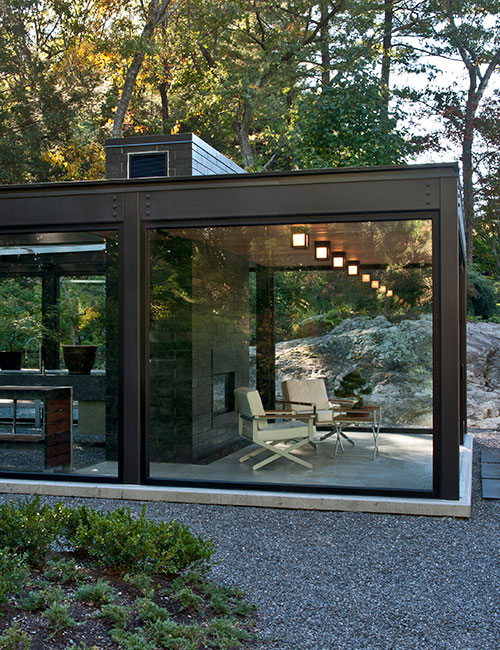
  • https://www.flavinarchitects.com/residential-portfolio/glass-house-in-the-garden/
    https://www.flavinarchitects.com/residential-portfolio/glass-house-in-the-garden/
    WWW.FLAVINARCHITECTS.COM
    Modern Bonsai Greenhouse in Boston - Flavin Architects
    This Boston residential design features a working greenhouse with teak benches for Bonsai cultivation.
    0 Kommentare 0 Geteilt 2KB Ansichten 0 Bewertungen
Weitere Ergebnisse
Friendys - Connect, Share, and Make New Friends https://friendys.net